Sculpture
Sculptures in bronze
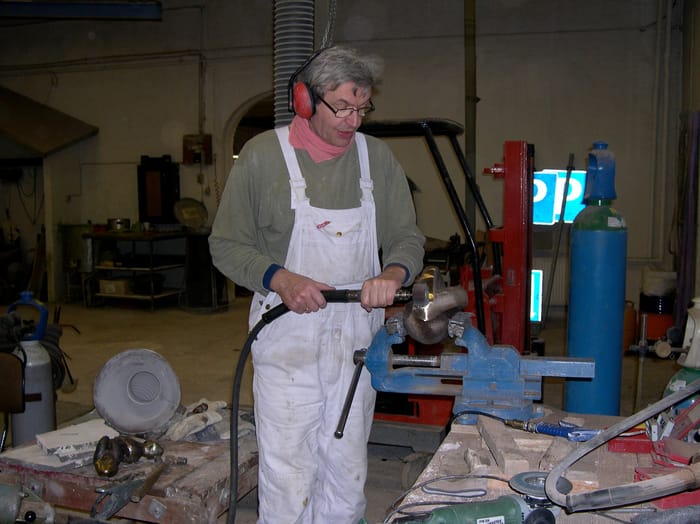
Working in bronze is the most complex of the sculptural processes. In 2003 Erik took part in three weekend courses at the art centre VAK in Jyderup, led by the experienced Peter Jensen from the Bronze Foundry in Gladsaxe. Since then he has himself cast a number of bronze sculptures at VAK over the years – a demanding and very rewarding work – and had works cast at the Art Academy in Vilnius, Lithuania.
- Method: Cire perdue and sand casting
- Most works are unique; the others are numbered
- Completion takes around nine days
The lost wax (cire perdue)
Moulding: A precise silicone mould is made of the sculpture to be cast, wrapped in a two-part plaster shell.
Wax shell: The mould halves are brushed with wax and filled with liquid wax, which is poured out again after 1–2 minutes. The remaining wax determines the wall thickness.
Investment: The wax sculpture with channels and funnel is encased in refractory casting material in a mould barrel that can weigh 40–50 kg.
The lost wax: The oven is heated for about a day, and the wax melts out – hence the name cire perdue.
Bronze casting: Glowing, liquid bronze is poured into the funnel and fills the cavity. After cooling, the casting material is broken away.
Chiselling & patination: Channels are cut off, the surface is chiselled and ground, and the sculpture is patinated with oxides for colour and depth.
The works
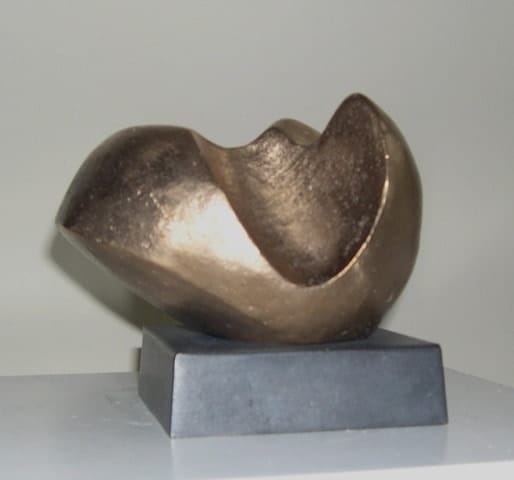
Transformation (1/2)
Bronze, sand casting · H15x16x12 · 1999
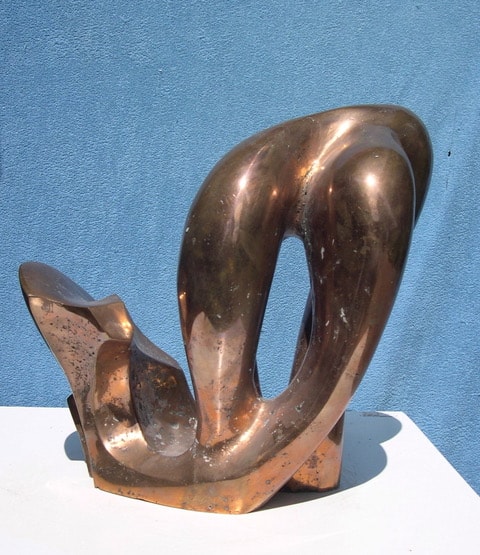
The Fish (1/1)
Bronze, cire perdue · H30x32x20 · 1999
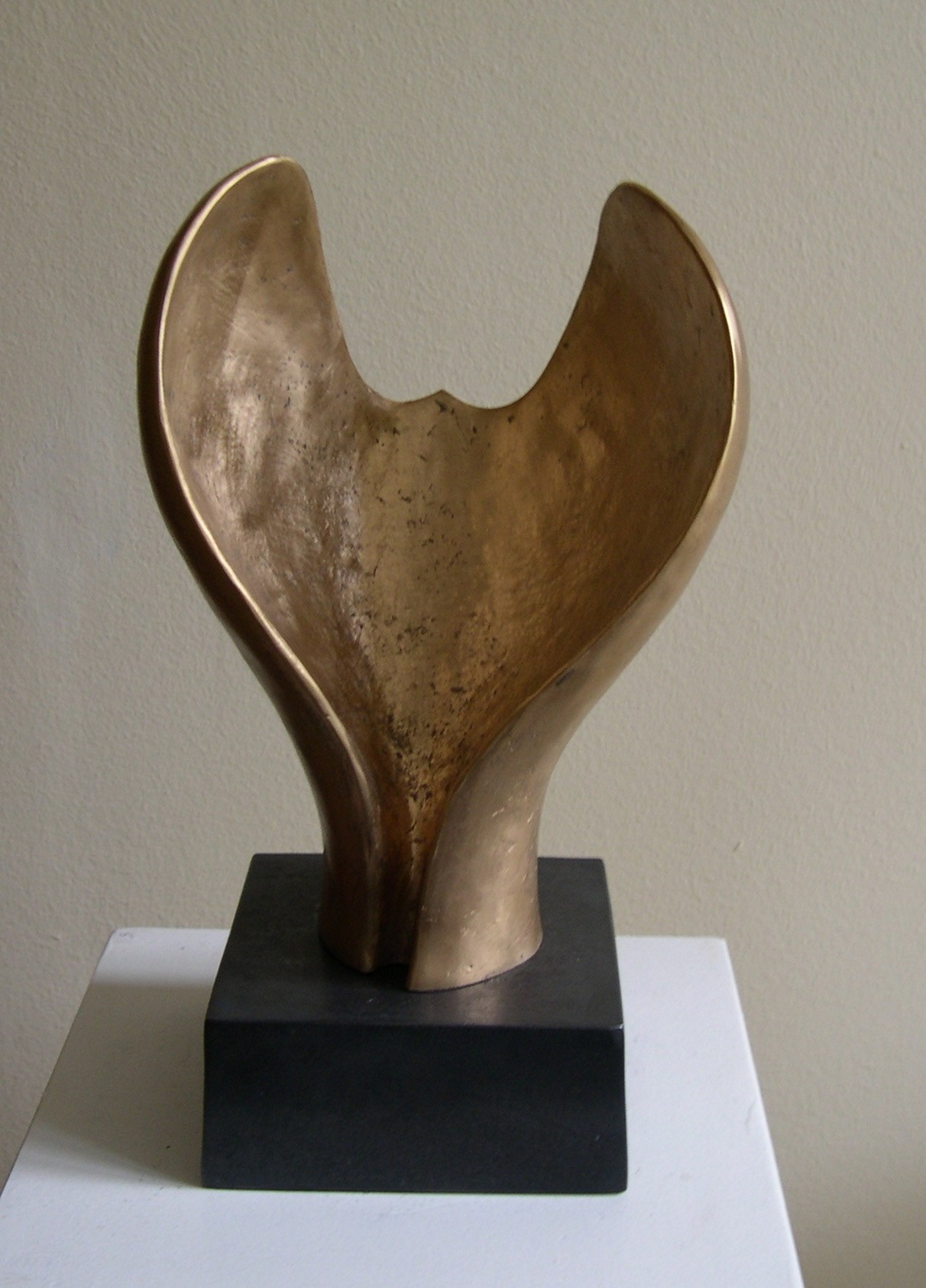
Angel
Bronze, sand casting · H32x21x17
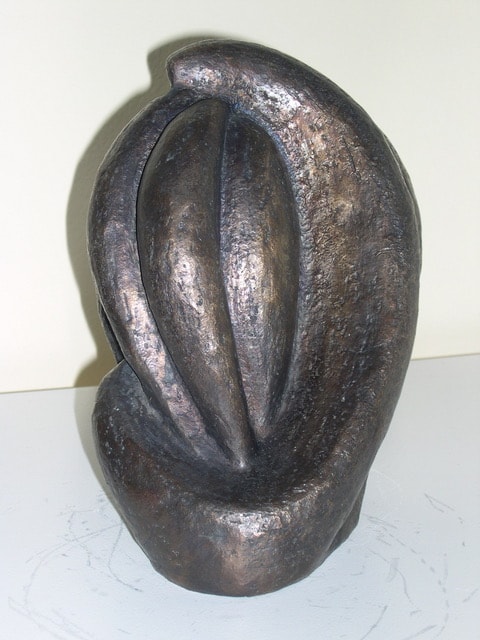
Fruit bud
Bronze, cire perdue · H21x19x14
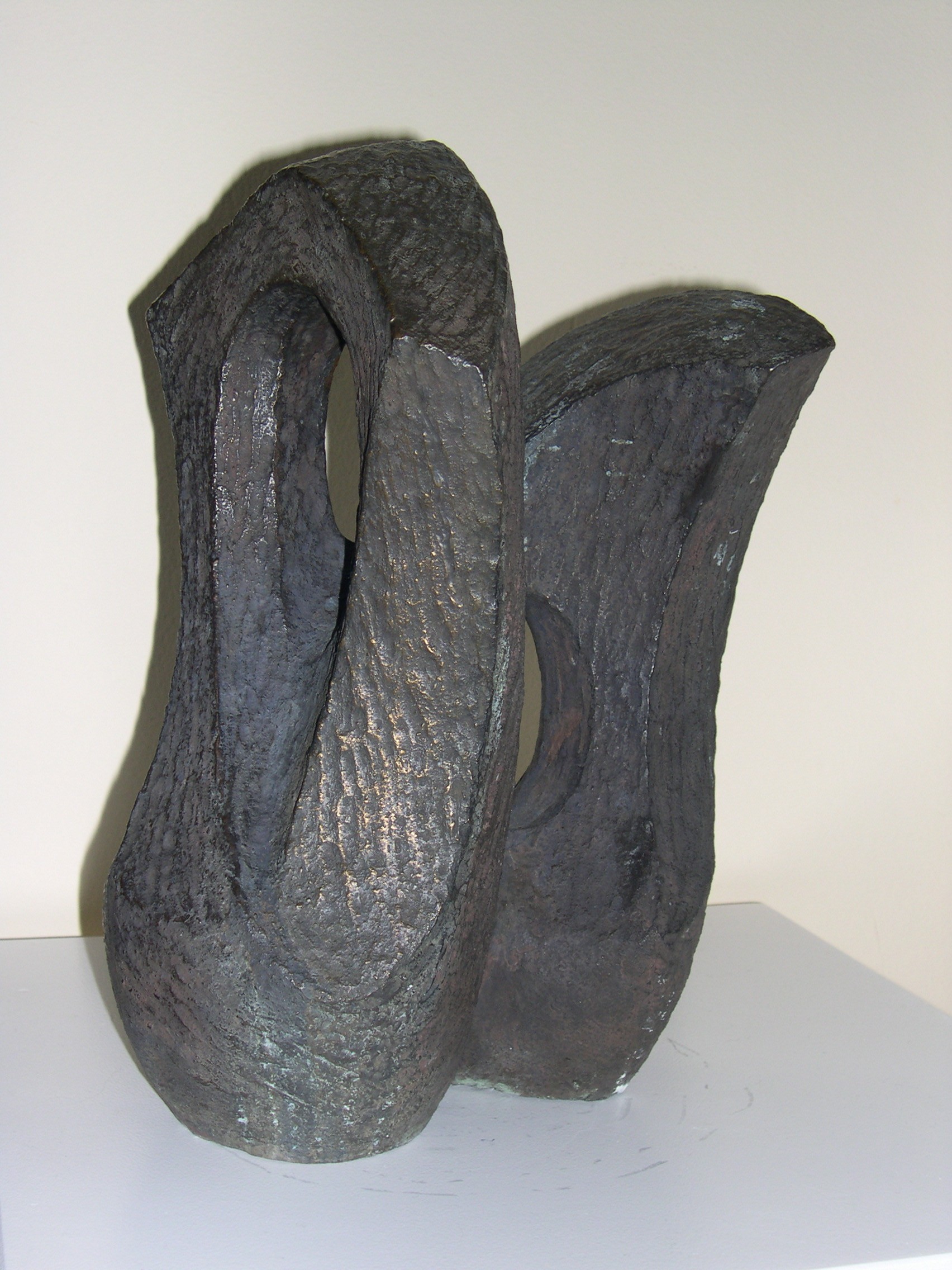
Caves
Bronze, cire perdue · H35x26x20
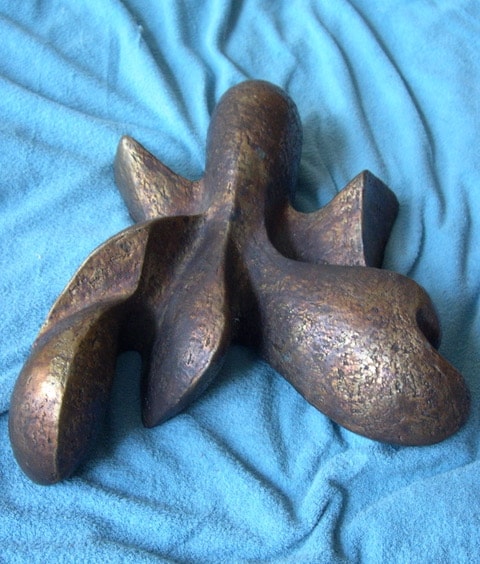
Crab
Bronze, cire perdue
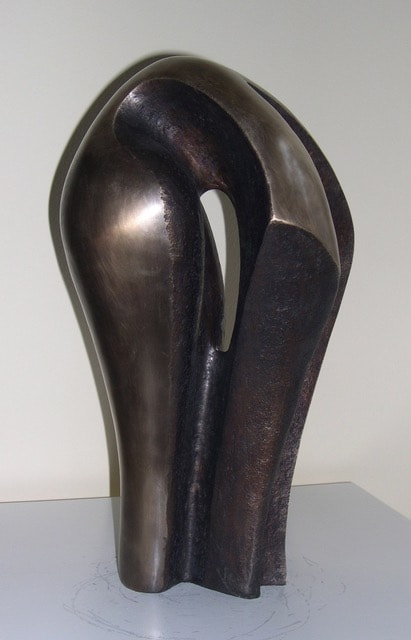
Sceptre
Bronze, cire perdue