The person behind the sculptures
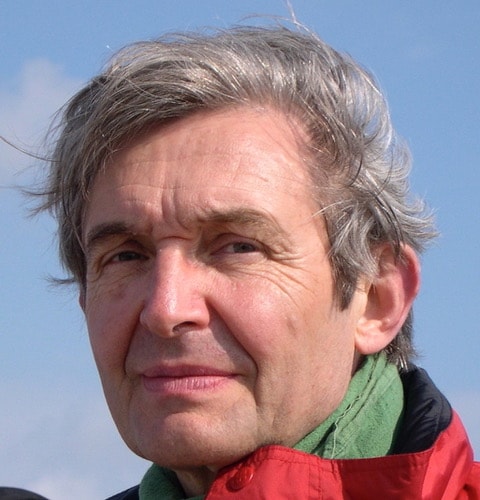
About Erik Lemcke
Sculptor, senior consultant and author. A life with materials, people and the search for balance between the inner and the outward.
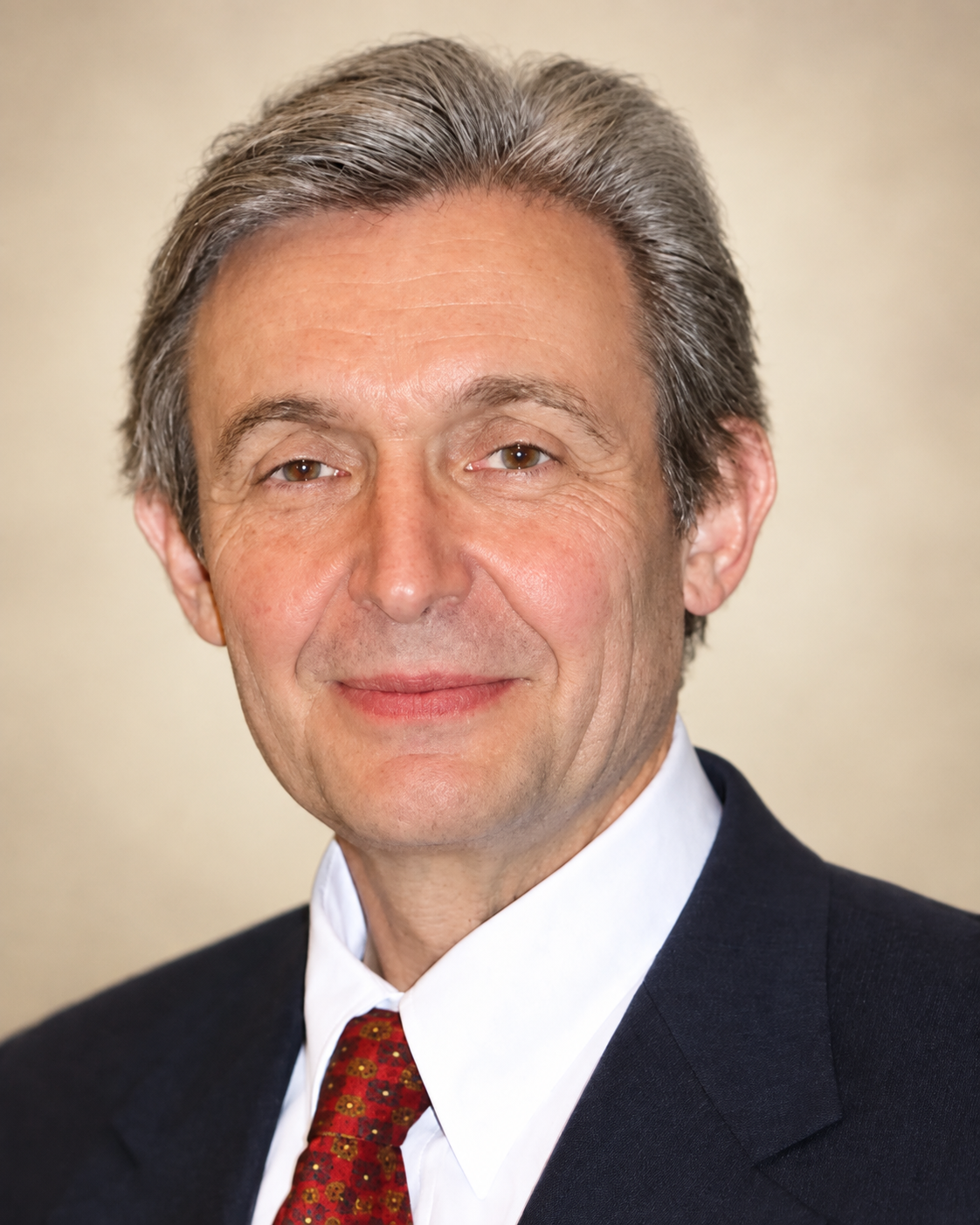
The sculptor
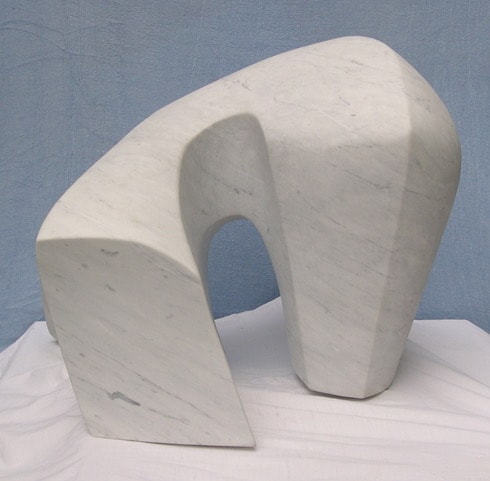
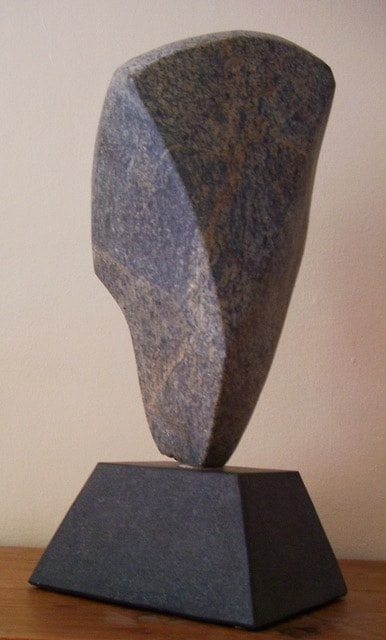
I have spent 30 years of my life becoming a professional sculptor. The sculptures I create grow out of my thoughts and feelings. It is what flows out of my hands that I want to give form in a physical material. I enjoy having a hammer, a chisel or a wood-carving gouge in my hand.
A figure should be a joy for mind and soul. It should contribute to a feeling of balance and inner peace. Not a peace that leads to passivity, but a peace that forms the basis for renewed strength and energy to once again move outward into action. To go outward with renewed strength to meet a turbulent and chaotic world.
Erik Lemcke
Read: Why do I make my sculptures the way I do?“For me, maybe the most important aspect of a sculpture is that it is woven through with love. Love for the material, love for creativity, love for the divine and love for the persons who will be appreciating the sculpture through their own hands.”
Erik Lemcke
Senior consultant
Organisational development with the human being at the centre
For many years Erik worked with organisational development and conflict resolution based on Rudolf Steiner's view of humanity – in parallel with his artistic practice. The same sensitivity to material and form characterises his work with people and organisations.
His work has particularly involved organisational development, conflict resolution and Rudolf Steiner's view of humanity.
From IBM to the human being in the organisation
Erik's career began in 1968 as a systems engineer at IBM, where for 16 years he worked with system design and project management – first as an instructor at IBM's Nordic education centre in Stockholm, then as a manager of systems engineers and as a business area manager in close contact with the corporation's European headquarters in Paris. He then turned towards the human side: in 1987 he co-founded the Institute for Social Ecology and in 1990 founded danSET Consulting, where he worked with team building, change management, values-based leadership, conflict resolution and dialogue – among other things with seminar series in Moscow as early as 1990 and extended work in Lithuania.
Sustainability and transformation
Sustainability has been a recurring theme since the 1970s. After the UN's Rio Declaration in 1992, Erik co-founded the international network GLOBENET3 on civil society's role in sustainable local communities. In 2010 he completed a master's degree in social entrepreneurship at Roskilde University with a thesis on the Transition Town movement, which he helped bring to Denmark as a co-founder of Transition Town Denmark. Since 1992 he has also taught on a non-commercial basis in social ecology in Eastern Europe, primarily to people around Steiner schools and kindergartens.
Author
Holistic Leadership
Erik's experience from many years as a senior consultant is gathered in the book Holistic Leadership. The book unites the holistic view of humanity with practical leadership – and stands as the written counterpart to the sculptural practice: finding balance between the inner and the outward.
Visit Holistic LeadershipExhibitions and workshop
The sculptures in the world
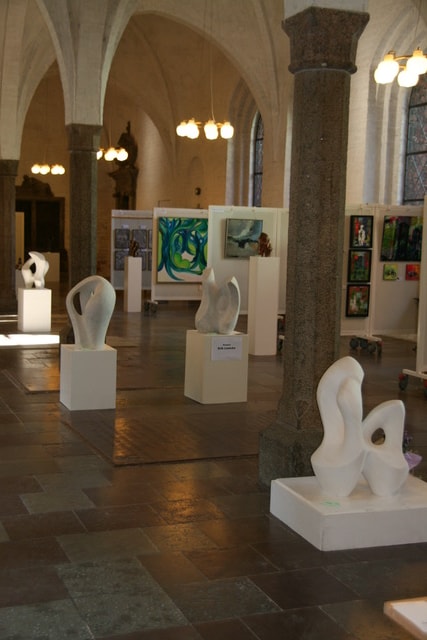
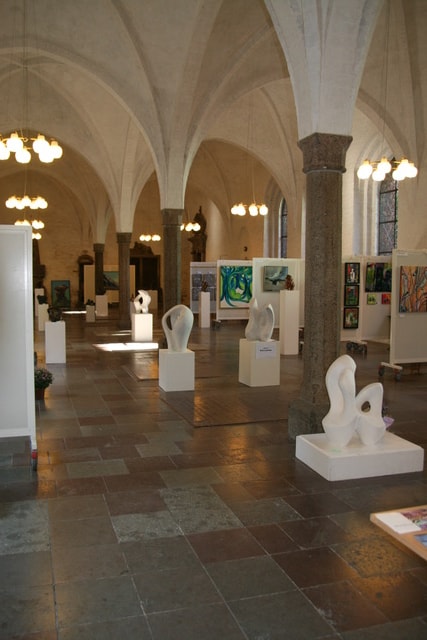
From 1944 to today
The journey in brief
1944
Born in Denmark. An active life with sailing, scouting, cycling and creative work.
1968
Systems engineer at IBM. Training in programming, system design and project management.
1977
Instructor at IBM's Nordic education centre in Stockholm.
1984
Business area manager at IBM with strategic responsibility towards the European headquarters in Paris.
1987
Co-founder of the Institute for Social Ecology. Trained in Lievegoed's social ecology.
1990
Founder of danSET Consulting. Seminar series in Moscow.
1993
Biography course in England and the meeting with wood-carver Peter Nöbauer.
1996
Sculptor's workshop and first granite sculpture.
1998
First exhibitions.
2000
Marble in Pietrasanta, Italy.
2003
Bronze casting at VAK in Jyderup.
2009
Master's degree in social entrepreneurship, Roskilde University. Member of the Danish Sculptors' Society.
2010
Co-founder of Transition Town Denmark.
Today
Sculpture parks, public spaces and the ongoing workshop.