Sculpture
Sculptures in fibre concrete
In 2009 Erik became a member of the Danish Sculptors' Society, which organises outdoor exhibitions in sculpture parks and public spaces. He needed to create larger outdoor works and decided to master a new technique: fibre concrete – a very strong, cement-based material reinforced with glass fibre flakes. It is considerably faster to work with in large formats than granite, and the sculptures are typically 160–210 cm tall.
- The sculptures are typically 160–210 cm tall
- All works are unique – one exemplar only
- Designed for sculpture parks and public spaces
The working process
The core is Sundolit (polystyrene), glued together into a block of the desired size. The sculpture's outlines are sketched directly on the block.
The rough form is taken with a bayonet saw, and as the form emerges a fine cutter is used for more precise work.
The sculpture is skimmed with thin cement: first a rough layer of fibre concrete is applied, then a finer layer – in Erik's sculptures tinted with oxide. Finally the work is covered by 2–3 cm of fibre concrete.
Anchoring: A concrete plinth is cast, the lowest approx. 40 cm of the sculpture is hollowed out and filled with concrete, and sculpture and plinth are joined with iron anchors. Only then is the work finally complete.
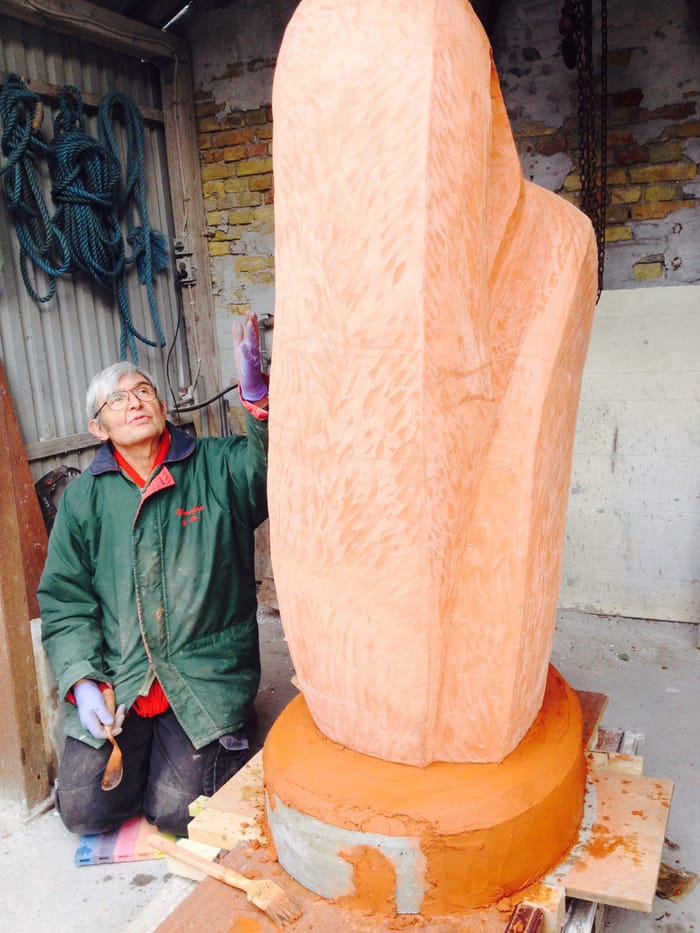
The works
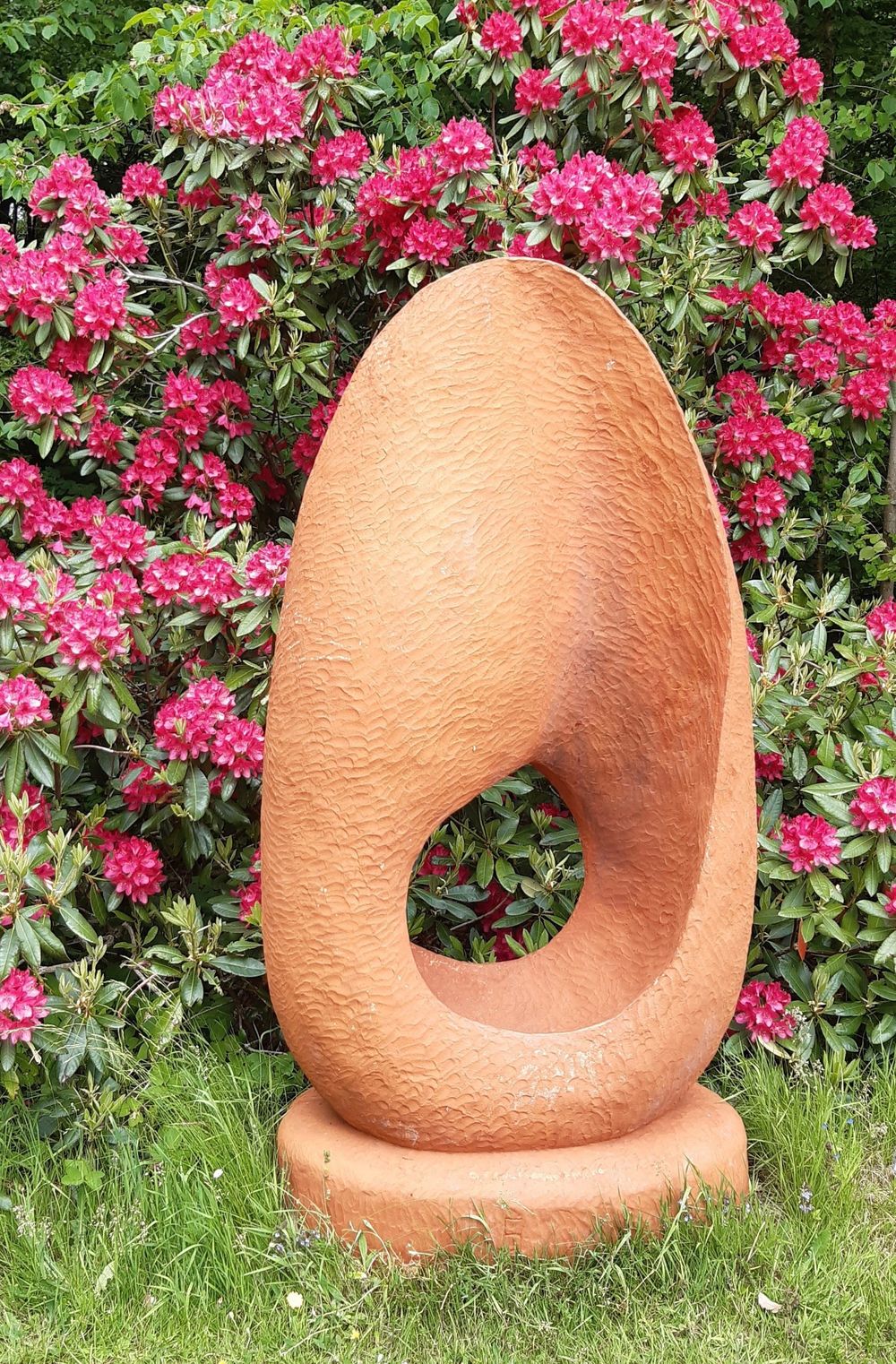
Möbius
Fibre concrete · H190x100x65 · 2018
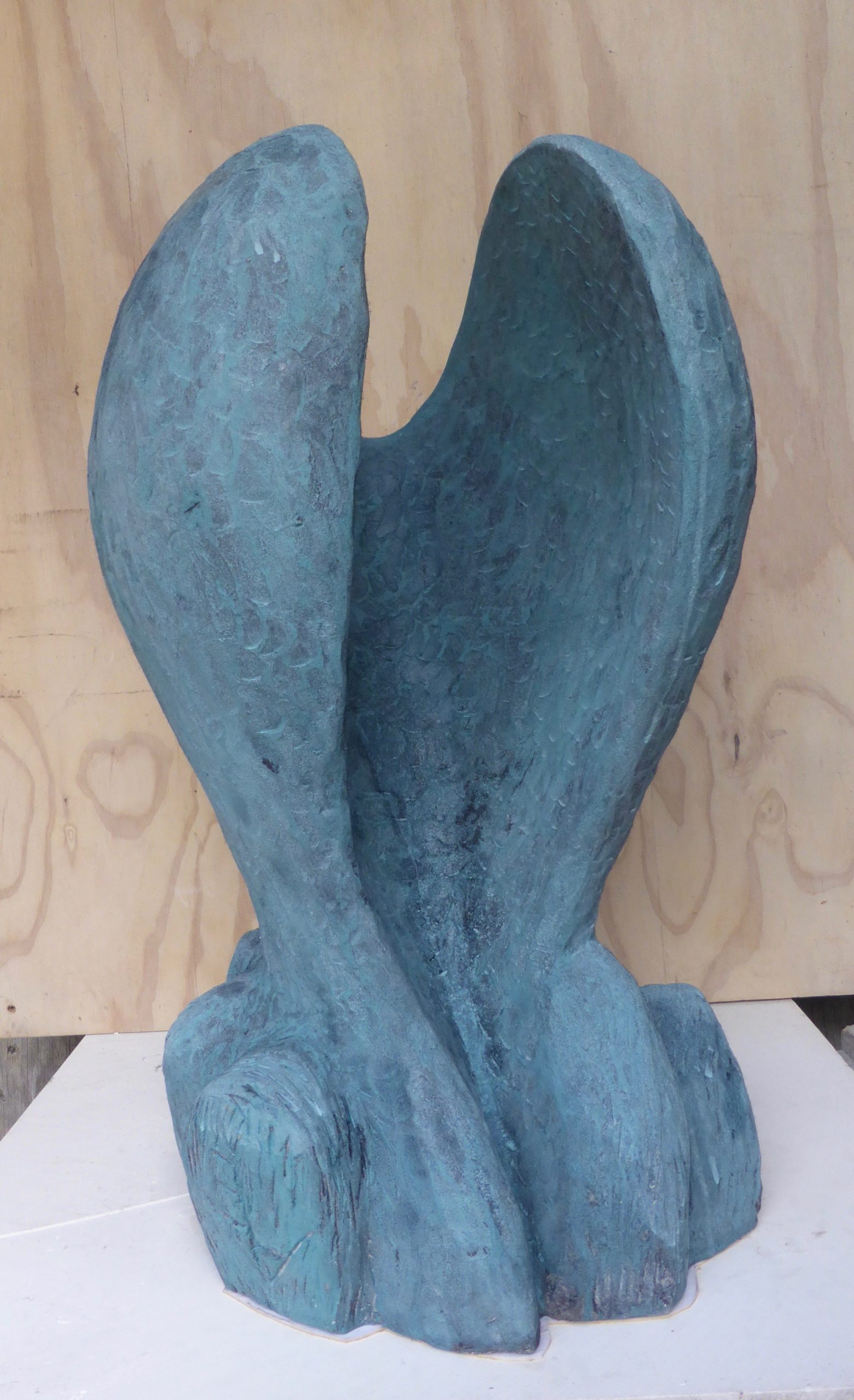
Angel
Fibre concrete · 2019
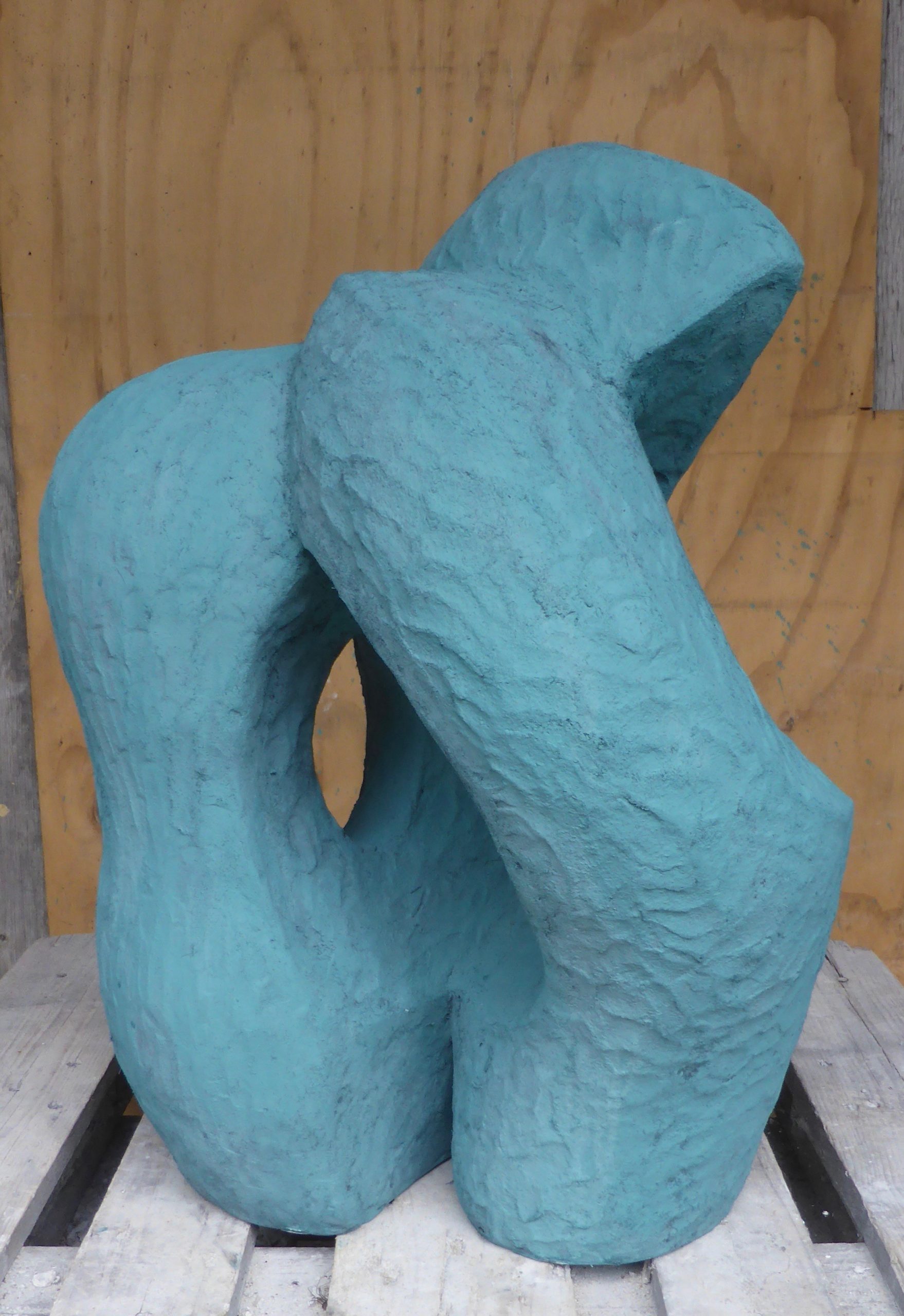
Embrace
Fibre concrete · 2019
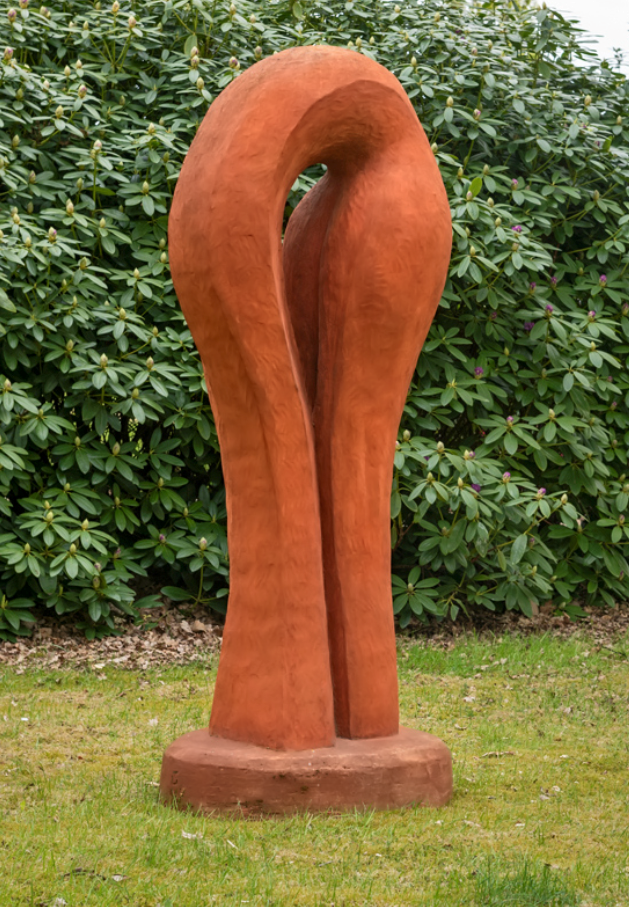
Bell Tower 1
Fibre concrete · H178x65x78 · 2016
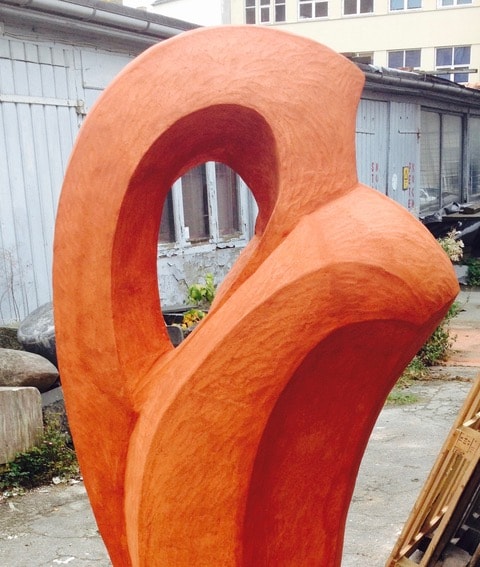
Harp
Fibre concrete · H160x90x62 · 2015
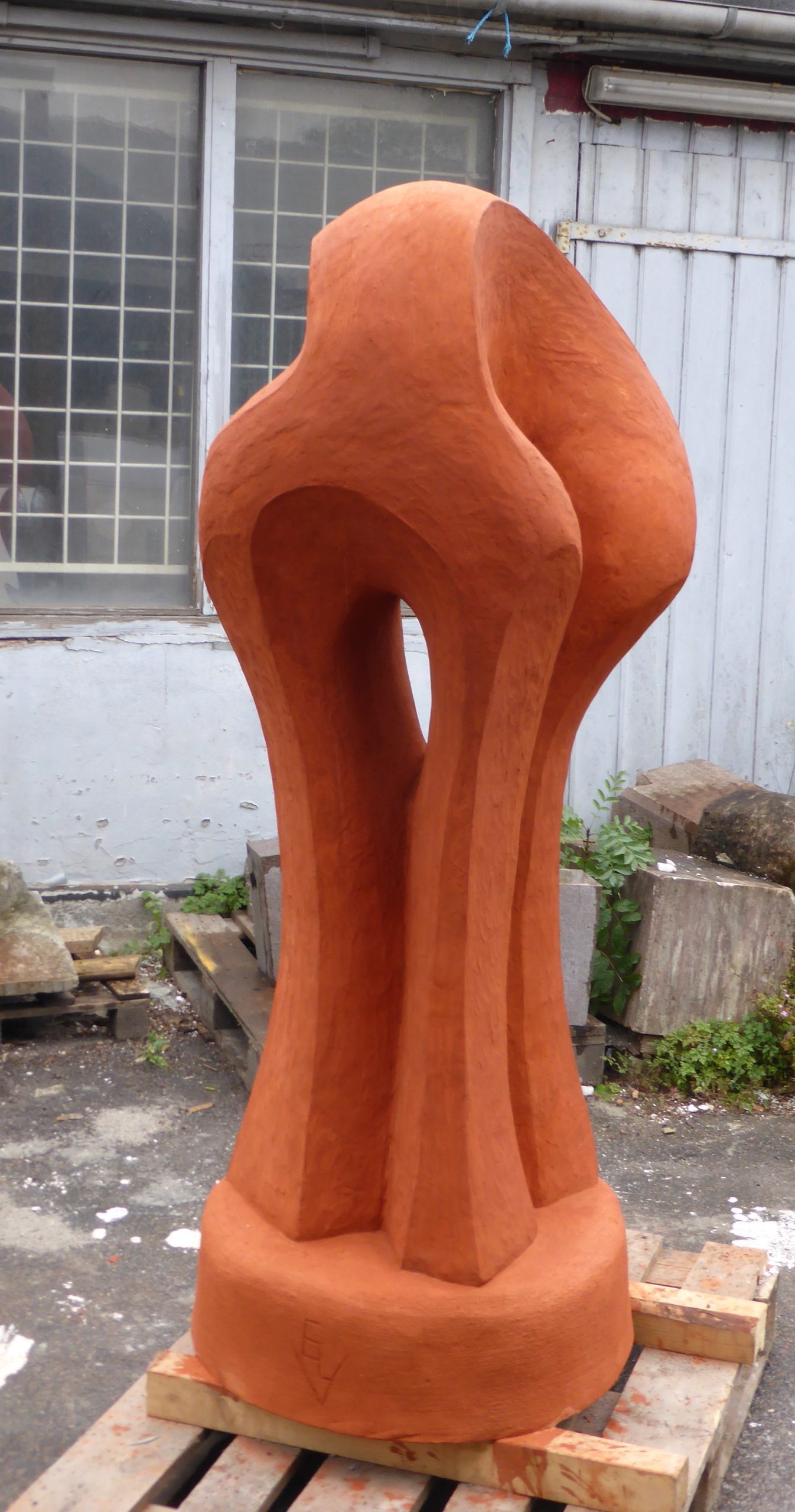
Bell Tower 2
Fibre concrete · H200x85x55 · 2017